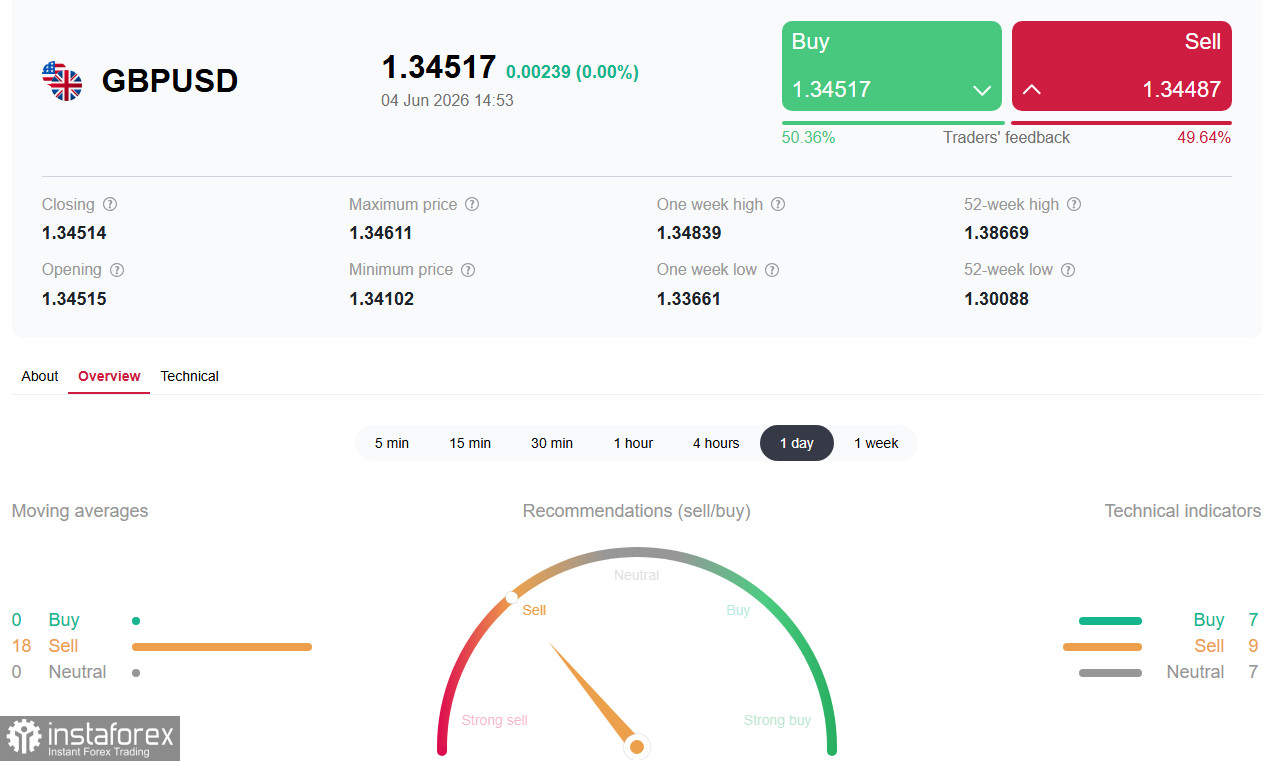
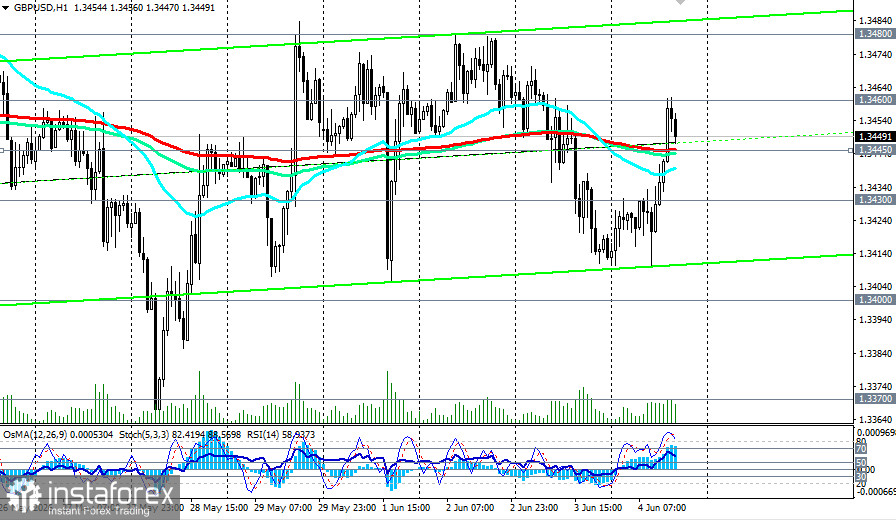
The GBP/USD pair rose sharply in response to Trump's comments on the situation in Iran and initial jobless claims data released early in the US trading session, reaching an intraday high near 1.3460.
However, this does not change the overall picture: the GBP/USD pair is in a state of uncertainty, balancing between conflicting signals from the US and the UK. High oil prices, geopolitical tensions in the Middle East, and upcoming key economic data are shaping the pair's dynamics, creating a complex scenario for investors.
1. Pressure on the US Dollar: Hawkish Fed and Geopolitics
US Labor Market: The latest data on initial jobless claims showed an increase to 225,000 (versus a forecast of 213,000), suggesting some weakening in the labor market. However, continued claims decreased, and May's ADP data on new jobs (122,000 versus 118,900 expected) confirmed its resilience. Market attention is focused on Friday's non-farm payroll (NFP) report, which is expected to show a growth of 85,000 and a sustained unemployment rate of 4.3%. Strong NFP data could significantly bolster the dollar.
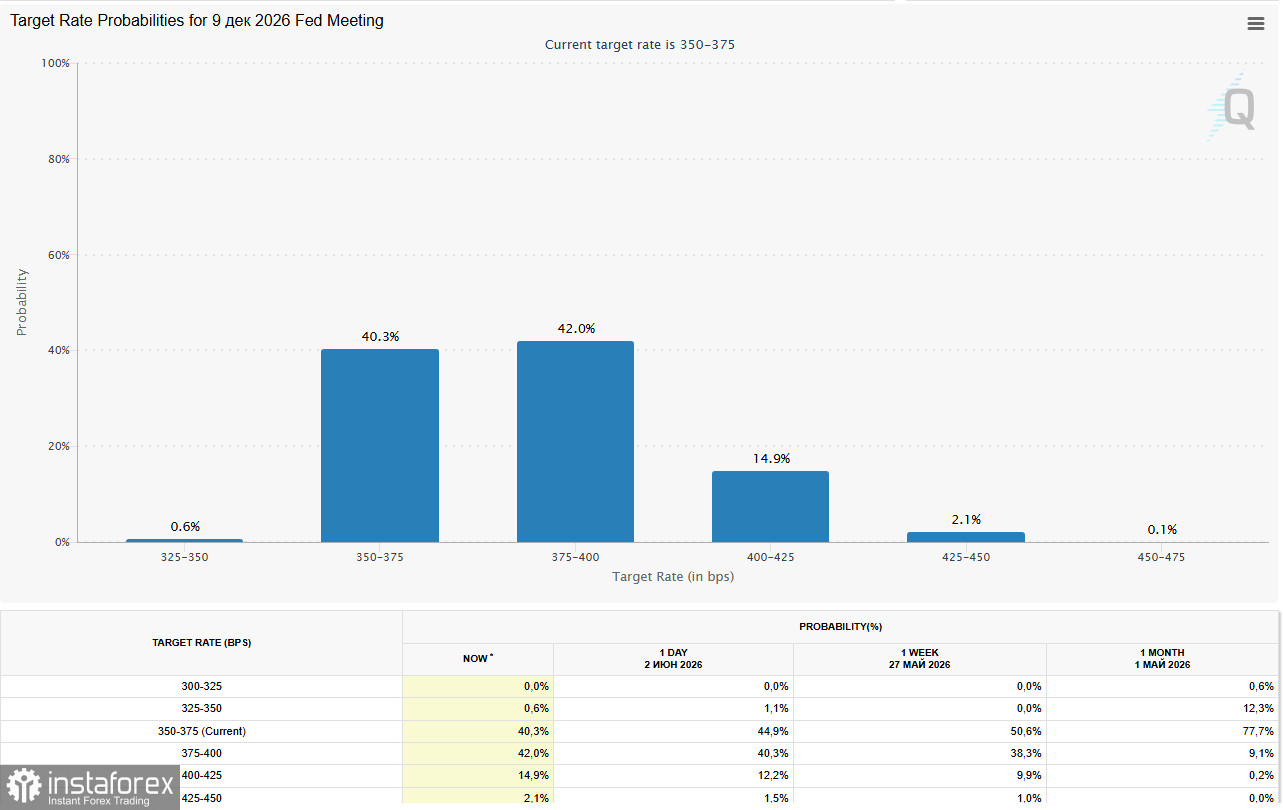
Fed's Position: Representatives from the Federal Reserve, including Dallas Fed President Lori Logan, have expressed concerns about inflation and indicated the possibility of a rate hike by the end of the year to restore price stability. The Fed's Beige Book report and ISM surveys confirm the stabilization of the labor market and rising inflationary pressures. The market is already pricing in about a 60% probability of a 25-basis-point rate hike by the end of the year, which supports the dollar's strength.
Geopolitics. The US Dollar Shows Sensitivity to Events in the Middle East
Hopes for negotiations regarding a ceasefire between the US and Iran have temporarily weakened the dollar; however, escalating conflict (strikes on US airbases and attacks on tankers) quickly restores demand for the dollar as a safe-haven asset. President Trump's statements about "final negotiations" with Iran have not had a significant impact on the market due to a lack of concrete actions.
Trade Tariffs
The White House's proposal to impose additional tariffs of up to 12.5% on imports from 60 countries (including China, the EU, Japan, and the UK) due to the use of forced labor may provoke retaliatory measures and exert additional pressure on the global economy, which could also support the dollar as a safe currency.
2. Pound Under Pressure: Weak Economy and Ambiguous Bank of England
Economic Data from the UK
Business activity in the UK services sector, which is most sensitive to price dynamics, unexpectedly declined to 49.3 points, entering the "red zone" for the first time since May of last year. The composite index also fell below 50 points. These data indicate a weakening economy and create obstacles for strengthening the pound.
Bank of England
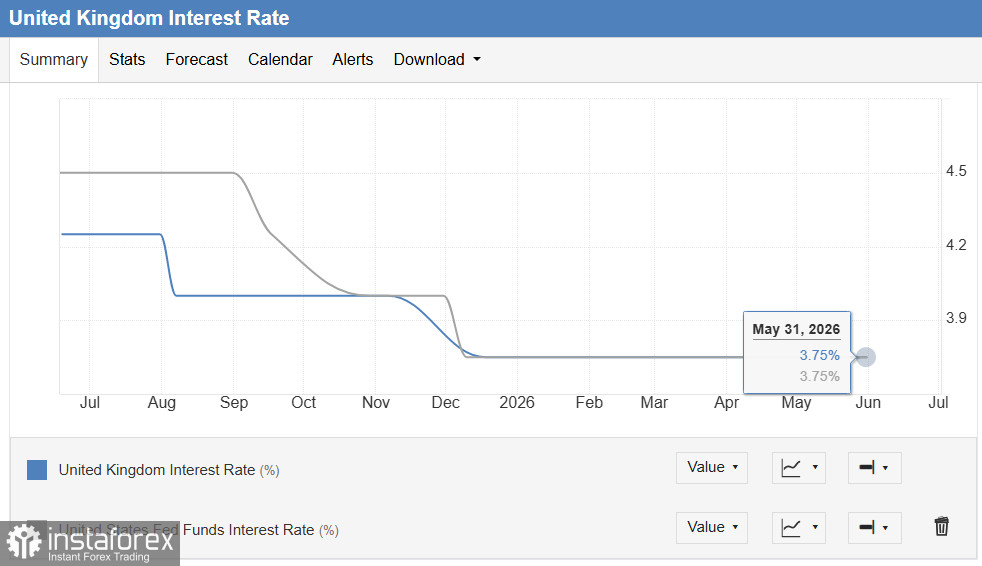
Monetary authorities from the Bank of England are sending mixed signals. Committee member Megan Greene, known as a "hawk," believes that arguments for raising interest rates are being bolstered by the Middle Eastern crisis and inflation, and views a rate hike in June as almost a foregone conclusion. However, other representatives, including Governor Bailey, express "dovish" concerns regarding the labor market. The markets are pricing in a low risk of a tightening at the June meeting, but expect almost two full 25 bps rate hikes by December. This uncertainty in BoE policy limits the pound's growth potential.
Impact of US Tariffs
The UK is among the countries facing new trade tariffs from the US. This could undermine bilateral trade relations and put additional pressure on the British economy and the pound.
Prospects for GBP/USD
In the short term, the dynamics of GBP/USD will largely depend on the following factors:
- US Employment Report (NFP) on Friday: Strong data could significantly strengthen the dollar, putting pressure on GBP/USD.
- Geopolitical Developments in the Middle East: Any escalation of conflict will bolster the dollar's appeal as a protective asset.
- Bank of England's Rhetoric: If "hawkish" sentiments prevail, it could support the pound, but weak economic data from the UK remains a significant obstacle.
- US Trade Tariffs: The introduction of new tariffs could strengthen the dollar and weaken the pound.
Conclusion
Even after today's jobless claims report, the US Dollar Index (USDX) is trading around 99.20, indicating a moderate bullish bias and remaining above key moving averages. This indicates support for a broader upward trend for the dollar. In the context of a weakening British economy and mixed signals from the Bank of England, the pound faces difficulties in maintaining recent gains. The GBP/USD pair is likely to continue trading under heightened volatility, with potential dollar strengthening possibly leading to further declines. Investors should closely monitor forthcoming economic data and geopolitical news.